

What Happens to Your Credit After a Short Sale
A short sale will affect your credit, but how much it impacts you depends on your situation. Things like missed payments, how far behind you are, and how the lender reports the short sale all play a role.
For many homeowners, the impact is not as severe as expected. If your credit already shows late payments, the change may feel less significant since the short sale reflects what has already been happening.
Short Sale vs Foreclosure: Credit Impact
A short sale and foreclosure both affect your credit, but they are not the same. A short sale shows that you worked with your lender to resolve the situation, while foreclosure is a forced legal action.
Because of this, foreclosure usually causes more long-term damage and can make it harder to qualify for future loans. A short sale is often viewed as a more responsible way to handle financial hardship.
How Long a Short Sale Stays on Your Credit
A short sale can remain on your credit report for several years as part of your payment history. Over time, its impact becomes less important as new, positive activity is added to your credit profile.
What matters most is what you do after the short sale. Consistent, on-time payments and responsible credit use can help improve your score sooner than expected.
How to Rebuild Credit After a Short Sale
Improving your credit after a short sale is possible with steady habits:
- Make all payments on time
- Keep credit card balances low
- Avoid unnecessary new debt
- Check your credit report for accuracy
- Use credit responsibly moving forward
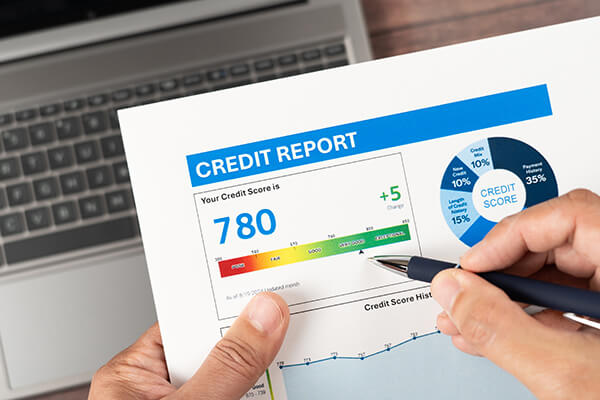
When Can You Buy a Home Again
Many homeowners are able to buy a home again sooner than they think. The timeline depends on the loan program and how well your credit recovers.
In many cases, buyers may qualify again within a few years if they maintain stable income and rebuild their credit. Compared to foreclosure, a short sale usually allows for a faster return to homeownership.
Why a Short Sale Is Often the Better Option
While a short sale does affect your credit, it is usually a better option than foreclosure. It gives you more control over the situation and allows you to work toward a solution instead of going through a forced process.
Over time, this decision can help you recover financially and move forward with more flexibility.